
Views: 0 Author: Site Editor Publish Time: 2025-12-26 Origin: Site


Have you ever wondered how 3D printing is changing the world around us? From healthcare to aerospace, this technology is reshaping industries in surprising ways. In this article, we will explore the 12 key sectors where 3D Printing Applications are making a profound impact. You’ll discover how this cutting-edge technology is revolutionizing manufacturing, improving efficiency, and driving innovation across diverse fields.
3D printing is transforming the healthcare industry by enabling the production of custom prosthetics and dental implants that are tailored to individual patient needs. Unlike traditional manufacturing methods, which rely on standardized models, 3D printing allows for the creation of highly precise, patient-specific devices. Custom prosthetic limbs can be designed to perfectly fit a patient’s measurements, improving comfort, functionality, and overall quality of life. This is especially beneficial for children, who often need frequent replacements as they grow.
Similarly, in dentistry, 3D printing is used to create custom dental implants, crowns, and bridges that offer a better fit and improved functionality compared to traditional methods. The ability to print these devices on demand not only speeds up the treatment process but also significantly reduces costs.
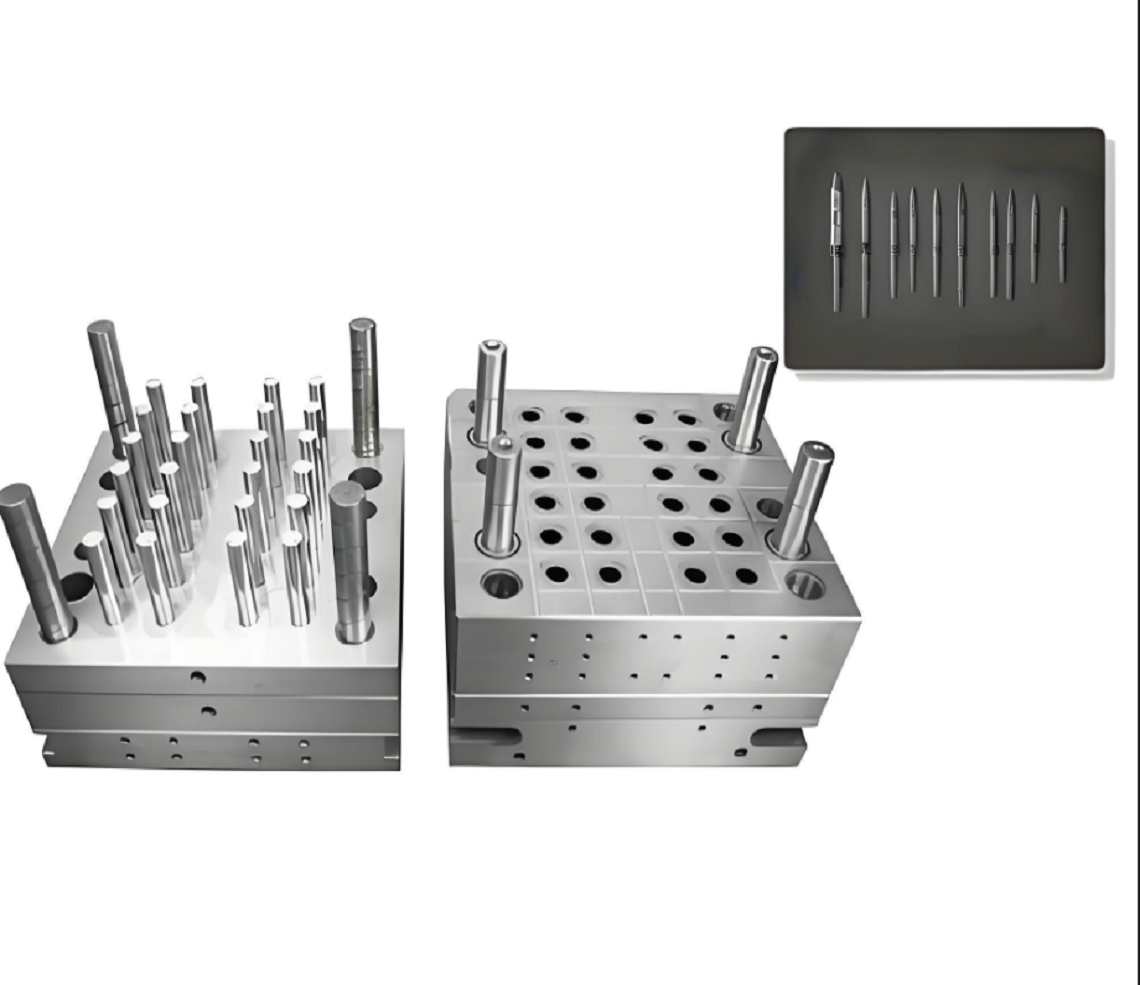
3D printing is becoming a vital tool in surgical planning. By creating patient-specific models from medical scans, surgeons can better visualize and understand the patient’s anatomy before performing complex procedures. This technology enhances surgical precision, reduces risks, and improves patient outcomes. Surgeons can practice on 3D-printed models of organs or bones, which is especially useful in high-stakes surgeries like brain, heart, and orthopedic procedures.
In addition to pre-surgery models, 3D printing also allows for the creation of customized surgical tools designed for specific operations, enhancing the overall surgical process and minimizing risks during procedures.
In the pharmaceutical sector, 3D printing enables the creation of personalized medications. Traditional drug delivery systems often rely on standard dosages and forms, but 3D printing allows for pills to be customized in terms of shape, size, dosage, and release profile. This has the potential to significantly improve treatment effectiveness, particularly for patients with specific medical needs.
A notable breakthrough is Spritam, the first FDA-approved 3D-printed pill, which dissolves quickly in the mouth, providing faster delivery of medication. This development opens doors for more advanced drug delivery systems, such as on-demand, customized medications tailored to individual patients.
Application | Benefit | Example |
Personalized Medications | Customization in shape, size, and dosage | Spritam - FDA-approved 3D-printed pill |
The aerospace industry is heavily focused on reducing the weight of aircraft components to improve fuel efficiency and reduce emissions. 3D printing allows for the production of lightweight components without compromising strength. Using advanced materials like titanium and carbon fiber, aerospace manufacturers can create engine parts, brackets, and cabin fixtures that are both strong and lightweight.
For example, Airbus and Boeing have integrated 3D printing into their production lines to create components that are lighter and more fuel-efficient, leading to cost savings and reduced environmental impact.
In space exploration, 3D printing is used to manufacture tools and spare parts directly in space, eliminating the need to ship these items from Earth. The International Space Station (ISS) is equipped with a 3D printer that allows astronauts to create tools as needed, reducing dependency on resupply missions.
Additionally, NASA and other space agencies use 3D printing to produce satellite components, rocket parts, and other essential equipment for space missions. This technology enables the design and production of complex, lightweight components that are ideal for space applications.
The defense industry is using 3D printing to produce customized military equipment such as drones, parts for vehicles, and weaponry. On-demand production reduces the need for large inventories and provides faster access to crucial parts. This technology is particularly useful for producing replacement parts in the field, enabling military units to quickly repair and maintain equipment.
Moreover, 3D printing allows for rapid prototyping of new defense technologies, allowing manufacturers to quickly test and refine designs before moving to full-scale production.
Application | Benefit | Example |
Customized Military Equipment | On-demand production and replacement | Drones, vehicle parts, weaponry |
In the automotive industry, 3D printing accelerates the design process through rapid prototyping. Engineers can quickly create prototypes of parts such as engine components, dashboards, and interior fittings to test and evaluate designs. This significantly reduces time-to-market and allows for faster innovation.

For example, Ford and Porsche use 3D printing to produce prototypes and test them for fit and functionality. This process enables them to identify potential design flaws and make necessary adjustments before mass production.
Application | Benefit | Example |
Rapid Prototyping | Accelerates design and testing | Ford and Porsche use 3D printing |
Beyond prototyping, 3D printing is also used to produce custom automotive parts. This includes the production of replacement parts for vintage or rare vehicles, which can be difficult to source through traditional methods. It also enables the on-demand production of custom parts tailored to specific vehicle requirements.
For example, Porsche uses 3D printing to manufacture customized parts for classic cars, making restorations more feasible and cost-effective.
The consumer goods industry is embracing 3D printing to provide personalized products. Items like custom shoes, eyewear, and headphones can be designed and manufactured to meet individual preferences. This customization allows consumers to express their unique style and enhances customer satisfaction.
For instance, New Balance has used 3D printing to create custom insoles that are tailored to the specific contours of an individual’s foot, providing a more comfortable fit and better performance.
3D printing is also being used to produce custom Commodity items such as kitchen tools, home décor, and furniture. Consumers can design and print products that meet their exact specifications, ensuring that the items fit perfectly into their homes and lifestyles.
This technology also promotes sustainability by reducing mass production and waste. Items can be printed on-demand, eliminating the need for excess inventory and transportation.
Application | Benefit | Example |
Custom Commodity Items | On-demand production and customization | Kitchen tools, furniture |
3D printing enables industrial manufacturers to create complex parts and tools with high precision. This is particularly beneficial for industries like aerospace, automotive, and medical device manufacturing, where intricate designs are often required. 3D printing allows manufacturers to produce lightweight, strong components that meet strict performance standards.
For example, 3D printing is used to produce tools with internal geometries and cooling channels that would be impossible to achieve using traditional manufacturing methods.
3D printing supports small-batch production, enabling manufacturers to produce low-volume parts quickly and cost-effectively. This eliminates the need for expensive molds and tooling, which can be cost-prohibitive for small production runs. Manufacturers can produce parts on-demand, reducing inventory and waste while improving production flexibility.
Application | Benefit | Example |
Small-Batch Production | Cost-effective low-volume parts | No need for expensive molds or tooling |
3D printing is helping students better understand complex concepts by turning abstract ideas into tangible models. In fields like biology, mathematics, and history, 3D-printed models of organs, geometric shapes, and historical artifacts provide students with interactive learning experiences. This hands-on approach makes learning more engaging and memorable.
In research and development, 3D printing enables scientists and engineers to quickly create customized tools and prototypes for experimentation. This accelerates the research process, particularly in fields like biomedicine, electronics, and materials science. Researchers can rapidly test new ideas and iterate designs without the long lead times associated with traditional manufacturing.
Artists are embracing 3D printing to create intricate sculptures and custom art pieces that would be impossible to make using traditional methods. The precision and flexibility of 3D printing enable artists to produce complex textures and detailed designs, pushing the boundaries of artistic expression.
The fashion industry is using 3D printing to produce customized clothing, footwear, and jewelry. Designers can create unique, one-of-a-kind pieces that cater to individual customer preferences. For example, brands like Adidas and New Balance are using 3D printing to design customized midsoles based on individual walking styles.
In construction, 3D printing is enabling the rapid production of homes and structures. This technology is particularly useful in disaster recovery and affordable housing initiatives, where speed and cost-efficiency are critical. Large-scale 3D printers can use materials like concrete to print entire buildings, reducing construction time from months to days.
Architects are using 3D printing to produce customized building components such as facades, roofs, and ornamental details. The ability to print intricate designs that traditional construction methods can’t replicate allows for more creative and unique structures.
3D printing is being used in the culinary world to create intricate food designs and edible sculptures. Chefs can now print customized food shapes and decorations, making them more appealing and aesthetically pleasing. For example, chocolate sculptures and sugar patterns can be created with precision, adding unique touches to culinary creations.
Beyond aesthetics, 3D printing is being explored for personalized nutrition. Researchers are experimenting with 3D-printed meat substitutes and lab-grown foods, potentially offering more sustainable alternatives to traditional food sources. The technology could allow for the creation of customized meals that meet specific dietary requirements, such as high-protein or low-sugar meals tailored to individual health needs.
3D printing is helping veterinarians create custom prosthetics and implants for animals. This includes prosthetic limbs for dogs, cats, and even birds, as well as orthopedic implants for injured or disabled animals. The ability to print these items on-demand allows for faster recovery times and improved mobility for animals.
Veterinarians are using 3D printing to create surgical models for animals, particularly for exotic or endangered species with unique anatomical structures. These models help veterinarians plan and practice surgeries, ensuring better outcomes and minimizing risk.
3D printing is changing how supply chains operate by enabling on-demand production of parts. Companies can print parts as needed, reducing the need for large inventories and the associated costs. This technology is particularly useful for industries with custom parts or rare components that aren’t frequently used.
The ability to quickly produce custom parts using 3D printing reduces lead times and ensures that manufacturers can respond faster to changes in demand. This capability is especially valuable for industries like aerospace, automotive, and medical devices, where precision and speed are critical.
Application | Benefit | Example |
On-Demand Production | Reduced inventory and costs | Aerospace, automotive |
3D printing is revolutionizing 12 key industries, enhancing efficiency and driving innovation. From healthcare to automotive, it enables customization and faster production. As technology evolves, it will continue to expand across industries, offering new solutions. Companies like Taizhou Huangyan Guangchao Mould Co., Ltd. are already utilizing 3D printing to create high-quality, custom molds that offer greater precision and cost-efficiency, providing significant value in manufacturing processes.
A: 3D Printing Applications span multiple sectors, including healthcare, aerospace, automotive, and manufacturing. It is used for personalized medical devices, lightweight aerospace components, and custom auto parts, improving efficiency and reducing costs.
A: In healthcare, 3D printing is used to create personalized prosthetics, dental implants, and pre-surgical models. These 3D Printing Applications enhance treatment accuracy and reduce production times.
A: 3D Printing Applications in aerospace and defense allow for the creation of lightweight components, reducing fuel consumption and improving performance. It also enables on-demand production of spare parts, reducing dependency on inventory.
A: 3D Printing Applications in the automotive sector enable rapid prototyping, allowing for faster design iterations and the production of customized auto parts. This reduces costs and shortens time-to-market for new models.
A: 3D Printing Applications in consumer goods provide customization, allowing for personalized products like shoes, jewelry, and Commodity items. This enhances consumer satisfaction and reduces waste through on-demand production.


